KPMG Digital Lighthouse
Driving digital transformation & innovation for Fortune 500 companies
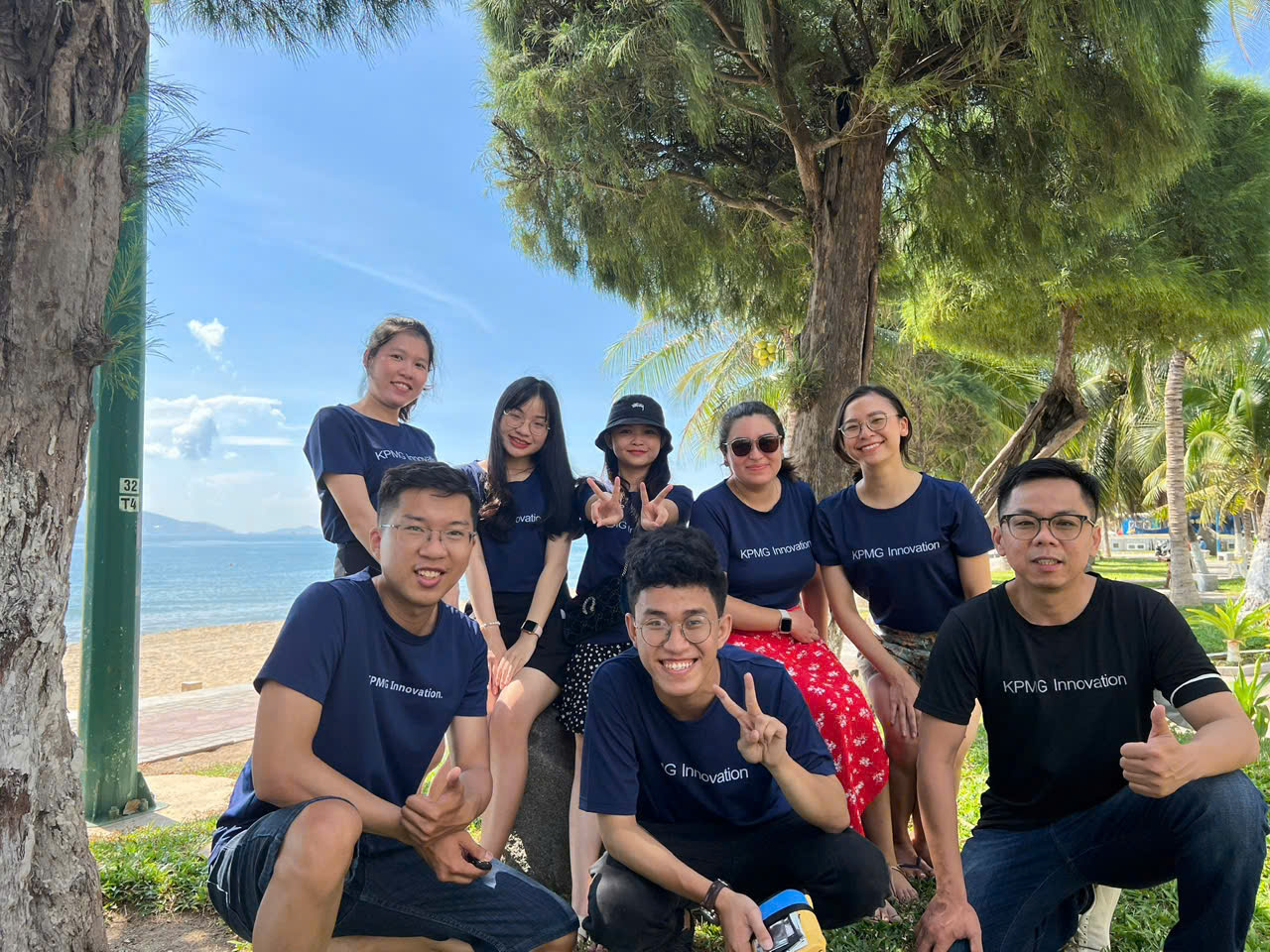
I joined KPMG Digital Lighthouse straight out of university. Fresh graduate. Management trainee. The kind of job your parents brag about at dinner parties. I thought I'd be building things. Writing code. Shipping products. Wrong.
For the first six months, I didn't write a single line of code. I sat in meetings. Listened to stakeholders argue about legacy systems. Learned to map business processes that had been running for decades - some so old that nobody remembered why they existed in the first place. My job wasn't to build. It was to understand.
My biggest engagement: AIA Vietnam's Insurtech transformation. In 2020, the insurance industry was caught in a structural trap. Digital-native competitors (Lemonade, ZhongAn) had redefined customer expectations - instant claims, frictionless onboarding. Legacy insurers like AIA Vietnam carried decades of system debt: siloed back-office, disconnected middle-office, and front-office channels that felt like different companies depending on how you contacted them.
We used KPMG Discovery for "outside-in" journey mapping - understanding what customers actually experience, then designing digital journeys to fix it. 20 digital journeys across new business, servicing, and claims. Microsoft Dynamics 365 as the unification layer. Agile cadence with data-led milestones. The result: straight-through processing automation went from 0% in 2021 to 36% by Q2 2022.
I also led market research for the Korea Startup Agency's Center for Emerging Technologies - benchmarking global incubator systems across Asia, Europe, and North America to identify what makes them work and what kills them. Developed strategic recommendations for optimizing Korea's national startup support program.
That's where I learned something that still shapes how I work today: don't lead with technology. Lead with understanding. Why does this process exist? Who actually uses it? What's the real cost of that "quick fix" someone shipped three years ago and everyone forgot about? The answers to those questions matter more than any tech stack.
I learned to journey-map. Follow an employee through their day - not what the manual says they do, but what they actually do. The gaps between those two things are where the real problems live. And the real problems are never technical. They're human. Politics. Fear of change. Territory. The technology is the easy part.
KPMG gave me something no startup could: exposure to scale. Fortune 500 companies. Enterprise architecture that serves millions. Stakeholder management across cultures. I worked with people who'd been in the industry longer than I'd been alive. They taught me things you can't learn from a tutorial.
Before KPMG, I thought innovation meant being creative. Brainstorming. Whiteboards. Post-its. The fun stuff. KPMG disabused me of that. Innovation isn't a workshop. It's a backbone culture- top-down, embedded in how the organization operates. The companies that actually transform aren't the ones with the best ideas. They're the ones where leadership decides change is non-negotiable and builds systems to enforce it. That's not glamorous. But it's what works.
But after two years, the suit started feeling heavy. The reports felt repetitive. I missed building things. I missed the chaos of creation - the kind where you don't know if it'll work until it does. KPMG taught me how to think about problems. Then I left to go solve them.
Team Photo
Team Photo 2
Managing Director
Alumni Meetup
Alumni Network